Key Takeaways
- A Lovable-built EdTech app had 16 vulnerabilities, 6 critical, exposing 18,000+ users
- AI-generated authentication logic was literally inverted — blocking logged-in users while granting access to strangers
- Vibe hacking exploits AI-generated code that was never properly reviewed
- After vibe-coding, use a brutal audit prompt to have AI ruthlessly review its own security
A security researcher just found 16 vulnerabilities — 6 critical — in a Lovable-built EdTech app featured on their own Discover page. 18,000+ users exposed, including college students and minors. The core bug? AI-generated authentication logic that was literally inverted — blocking logged-in users while granting full access to strangers.
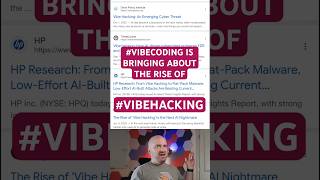
This is “vibe hacking” — exploiting AI-generated code that was never properly reviewed. And it’s about to become a much bigger problem.
In this video I break down exactly what happened with the Lovable exploit, why AI-generated code has a systemic security problem (with data from CodeRabbit, Veracode, and Escape.tech), how vibe hacking is already hitting open source infrastructure like cURL and Tailwind CSS, and what you can do about it right now — using the same AI that wrote your code to ruthlessly audit it before you ship.
The “Brutal Audit” Prompt
After you vibe-code your app, paste your code back into Claude/ChatGPT/Cursor and use this:
“Now be a brutal security reviewer. Assume this code was written by a careless junior developer. Find every vulnerability. Check for broken access controls, exposed API keys, missing authentication, insecure data handling, SQL injection, XSS, and logic errors in permission flows. Try to break this. Attack it. Rip it apart. Show me exactly how an attacker would exploit each weakness, and tell me how to fix it.”
It’s not a full pentest. But it catches the basics — and the basics are what took down that Lovable app.